The Word That Changed the World: How WHO’s Pandemic Declaration on March 11, 2020, Transformed Human Life
On the afternoon of March 11, 2020, Dr. Tedros Adhanom Ghebreyesus, the Director-General of the World Health Organization, stepped before cameras at the WHO’s headquarters in Geneva, Switzerland, and made an announcement that would permanently alter the course of modern history. In measured but grave language, he stated: We have made the assessment that COVID-19 can be characterized as a pandemic. With those words, a disease that had been burning through human populations for more than two months across dozens of countries was formally given the designation that carries the greatest weight in international public health: a pandemic — a word derived from the Greek pandemos, meaning all people.
At the moment of that declaration, the novel coronavirus known as SARS-CoV-2 had infected more than 118,000 people in 114 countries and territories around the world and had claimed at least 4,291 lives. In the preceding two weeks alone, the number of cases confirmed outside China had increased thirteenfold, and the number of countries reporting cases had tripled. The scale and speed of the spread had overwhelmed the ability of any single nation to contain the virus within its borders, and the increasingly alarming evidence of sustained community transmission on multiple continents had made the characterization of a pandemic both scientifically accurate and operationally necessary. Tedros, as the WHO director-general is widely known, concluded his remarks with a message aimed as much at governments as at the public: We should double down. We should be more aggressive.
The pandemic declaration did not introduce a new threat — it named one that was already reshaping daily life across the globe. But the naming mattered. It triggered emergency legal frameworks in dozens of countries. It accelerated funding for research and vaccine development. It prompted coordinated international responses. And it signalled to ordinary people everywhere that the strange news emerging from Wuhan, China since the final days of 2019 was not a distant crisis but an immediate and universal one. The story of how humanity arrived at that moment — and what happened in the years that followed — is one of the most consequential public health narratives in recorded human history.
The Origins of SARS-CoV-2: Wuhan, the Huanan Seafood Market, and the Emergence of a New Virus
The pathogen at the centre of the COVID-19 pandemic belongs to the family Coronaviridae, a group of viruses named for the crown-like spike proteins that project from their surface. Coronaviruses are common in nature, circulating in bats, birds, cattle, cats, and many other animal species, and several strains are known to cause mild respiratory illness in humans — the common cold being among them. But on two previous occasions in the twenty-first century, highly pathogenic coronaviruses had crossed from animal reservoirs into human populations with deadly results: Severe Acute Respiratory Syndrome, or SARS-CoV-1, which emerged in Guangdong Province, China in November 2002 and killed 774 people across 29 countries before being contained in 2003, and Middle East Respiratory Syndrome, or MERS-CoV, which was first identified in Saudi Arabia in 2012 and which continued to cause sporadic outbreaks, primarily in the Arabian Peninsula, in subsequent years.
The earliest known cases of what would become COVID-19 appear to have emerged in Wuhan, the capital city of Hubei Province in central China, in October or November 2019, based on molecular clock analyses of early viral genomes. Wuhan is a major industrial and transportation hub of approximately 11 million people, situated at the confluence of the Yangtze and Han rivers. It is home to numerous universities, research institutions, and hospitals, and serves as one of the principal railway and air transport nodes of central China. In November and December of 2019, physicians at several Wuhan hospitals began encountering patients with an unusual form of pneumonia that did not respond to standard antibiotic treatment and that did not match the profile of known respiratory pathogens. Retrospective analysis suggests that the number of people in Hubei Province who had reported symptoms consistent with the new disease had risen to approximately 60 by December 20, 2019, and to at least 266 by December 31.
On December 26 and 27, 2019, a metagenomics sequencing company named Vision Medicals analysed samples from pneumonia patients in Wuhan and identified a novel coronavirus closely related to known bat coronaviruses. The company reported its findings to the Wuhan Central Hospital and to the China Centre for Disease Control and Prevention on December 28. Separately, Dr. Zhang Jixian, a pulmonologist at Hubei Provincial Hospital of Integrated Chinese and Western Medicine, had observed an unusual pneumonia cluster on December 26 and notified the Wuhan Jianghan Centre for Disease Control and Prevention on December 27. On December 30, the local Wuhan Centre for Disease Prevention and Control issued emergency warnings to local hospitals about the pneumonia cluster. That same evening, the Wuhan Municipal Health Commission issued a notice about the treatment of pneumonia of unknown cause.
The early cases showed a strong epidemiological link to the Huanan Seafood Wholesale Market, a large wet market in the Jianghan District of Wuhan that sold live animals alongside seafood, meat, and other products. Two of the three earliest recorded COVID-19 cases were directly related to the sale of wildlife at the market, and research published in the journal Science in 2022 found that approximately 53 to 66 percent of the earliest hospitalised cases had connections to Huanan Market. The scientific consensus, supported by detailed genomic and epidemiological analysis, is that the pandemic arose from a zoonotic spillover — the transmission of the virus from an animal host to humans — most likely through contact with live animals sold at the market. Research published in Science in July 2022 identified two distinct SARS-CoV-2 lineages, designated A and B, suggesting that the virus may have crossed from animals into humans through at least two separate spillover events in late November 2019. The exact intermediate host species between bats and humans remains a subject of ongoing scientific investigation.
Dr. Li Wenliang: The Whistleblower Who Warned the World and Paid with His Life
Among the many individuals whose stories illuminate the early weeks of the COVID-19 outbreak, none became more symbolic of the failures and tragedies of the initial response than Dr. Li Wenliang, an ophthalmologist at Wuhan Central Hospital who was born on October 12, 1985, in Beizhen, Liaoning Province, in northeastern China. Li had studied clinical medicine at Wuhan University, completing a seven-year combined undergraduate and medical degree, and had joined the staff of Wuhan Central Hospital in 2014 after a stint at the Xiamen Eye Clinic in Fujian Province.
On the evening of December 30, 2019, Li became aware of an internal diagnostic report suggesting that a patient at his hospital had tested positive for a SARS-like virus. That same day, the Wuhan Centre for Disease Prevention and Control had issued its emergency warnings about the pneumonia cluster to local hospitals. Li, alarmed by what he had read, sent a message to a private WeChat group of approximately 150 fellow physicians from his Wuhan University alumni network. In the message, he warned his colleagues that seven patients in his hospital’s ward had been diagnosed with what appeared to be SARS, urging them to protect themselves and to warn their families. He explicitly asked that the message not be shared outside the group. It was shared anyway, and within hours, screenshots of Li’s warning had spread widely across Chinese social media platforms.
On January 3, 2020, Li was summoned to the Wuhan Public Security Bureau, where he was made to sign a statement acknowledging that he had made untrue remarks that severely disturbed the social order. He was one of eight doctors detained and admonished by police for spreading rumours. He signed the statement and returned to work. On January 8, 2020, Li was treating a patient with acute angle-closure glaucoma who, unknown to either doctor or patient at the time, had been infected with the novel coronavirus. Li contracted the virus from that patient, developed fever and cough, and was hospitalised at the end of January. His nucleic acid test confirmed COVID-19 infection. His condition deteriorated rapidly. By early February he was in the intensive care unit, intubated, ventilated, and eventually placed on extracorporeal membrane oxygenation — a machine that takes over the function of the lungs — to maintain his oxygen levels. On February 7, 2020, at 2:58 in the morning, Wuhan Central Hospital formally announced that Li Wenliang had died. He was 33 years old. His wife was pregnant with their second child.
Li’s death unleashed a torrent of grief and anger across China. More than 17 million people had been watching live online streams awaiting updates on his condition in the hours before his death was announced. Citizens flooded message boards and social media with messages of mourning, gratitude, and fury at the authorities who had silenced him. In the days before his death, Li had told the New York Times that if the officials had disclosed information about the epidemic earlier, he thought it would have been a lot better, adding that there should be more openness and transparency. A subsequent official Chinese government inquiry exonerated Li entirely, and Wuhan police formally apologised to his family and revoked his admonishment on March 19, 2020. In April 2020 he was posthumously awarded the May Fourth Medal by the Chinese government. In May 2021, he was posthumously awarded the Paracelsus Medal, the highest honour of the German Medical Association. Fortune magazine ranked him first on its list of the World’s 25 Greatest Leaders during the pandemic. Tom Inglesby, the Director of the Center for Health Security at the Johns Hopkins Bloomberg School of Public Health, observed that it takes intelligence and courage to step up and sound the alarm, even in the best of circumstances.
From Outbreak to Emergency: The WHO’s January 30 Declaration of a Public Health Emergency of International Concern
As December gave way to January 2020, the scale of the outbreak in Wuhan became increasingly difficult to conceal or contain. On December 31, 2019, the Wuhan Municipal Health Commission published its first public notice acknowledging cases of pneumonia of unknown cause, and that same day, the World Health Organization’s Country Office in China received information about the cluster. On January 5, 2020, the WHO published a Disease Outbreak News report about the pneumonia cases, noting that 44 patients with the illness had been reported, all apparently linked to the Huanan Seafood Wholesale Market. On January 7, Chinese authorities identified the causative agent as a novel coronavirus. On January 10, the first complete genome sequence of the virus was shared publicly on virological.org by a team led by Professor Zhang Yongzhen at the Shanghai Public Health Clinical Center, an act that enabled laboratories around the world to immediately begin developing diagnostic tests.
The first confirmed case outside China was detected in Thailand on January 13. Japan reported a confirmed case on January 16. The United States reported its first case on January 20 — a resident of Washington State in his thirties who had recently returned from Wuhan. The same day, Chinese officials including Dr. Zhong Nanshan, a senior respiratory disease expert and one of China’s most respected physicians, confirmed publicly for the first time that human-to-human transmission of the new coronavirus was occurring, a crucial acknowledgment that dispelled any remaining uncertainty about the outbreak’s pandemic potential. The following day, January 21, Wuhan was placed under an unprecedented lockdown that restricted all movement in and out of the city of 11 million people.
On January 30, 2020, with 7,818 confirmed infections reported and the virus present in 18 countries, the WHO’s Emergency Committee — convened under the International Health Regulations — met and advised WHO Director-General Tedros Adhanom Ghebreyesus to declare the outbreak a Public Health Emergency of International Concern, the highest level of alarm the WHO can issue under international law. Tedros accepted the recommendation and made the declaration that same day. A Public Health Emergency of International Concern, or PHEIC, is defined under the International Health Regulations as an extraordinary event which constitutes a public health risk to other states through the international spread of disease and which potentially requires a coordinated international response. It was only the sixth PHEIC declared in history, following swine flu in 2009, polio in 2014, Ebola in West Africa in 2014, Zika in 2016, and Ebola in the Democratic Republic of Congo in 2018.
Despite the PHEIC declaration, the outbreak continued to spread with alarming speed. Through February 2020, cases proliferated across Asia, with South Korea, Italy, and Iran emerging as early hotspots outside China. On February 11, 2020, the WHO officially named the disease COVID-19 — a shorthand combining CO for corona, VI for virus, D for disease, and 19 for the year in which the outbreak was first identified. The virus itself was formally designated SARS-CoV-2, for Severe Acute Respiratory Syndrome Coronavirus 2, to reflect its relationship to the earlier SARS pathogen. On February 28, the WHO raised its global risk assessment from high to very high, the agency’s maximum risk level. By that point, cases had been confirmed on every inhabited continent except Antarctica.
March 11, 2020: The Day the WHO Declared a Pandemic and the World Stood Still
By the first week of March 2020, the trajectory of the outbreak had become undeniable. Italy, which had reported its first domestic case on February 21, was experiencing exponential growth in cases and deaths, with its healthcare system in the northern Lombardy region — one of the wealthiest and best-resourced in Europe — already being overwhelmed. On March 4, the Italian government had ordered all schools and universities across the country closed. On March 7, more than 50,000 people in northern Italy were placed in quarantine. Iran was reporting hundreds of deaths. Spain, France, Germany, and the United Kingdom were all seeing rapid increases in case counts. The Grand Princess cruise ship was stranded off the coast of California with dozens of confirmed cases aboard. In the United States, confirmed cases were appearing across dozens of states, and it was becoming clear that community transmission was widespread.
On the morning of March 11, 2020, Tedros Adhanom Ghebreyesus convened a media briefing at the WHO’s Geneva headquarters and delivered his landmark assessment. He stated that the WHO had been assessing this outbreak around the clock and was deeply concerned both by the alarming levels of spread and severity and by the alarming levels of inaction. He noted that in the two weeks preceding the declaration, the number of cases outside China had increased thirteenfold, and the number of countries with cases had risen threefold, with further increases expected. He called the situation controllable, but stressed urgently that countries must take action now to contain the virus. The full pandemic declaration had been made. Within hours, the announcement reverberated around the world, filling front pages and leading every broadcast.
The same day, as if in confirmation of the pandemic’s reach, the National Basketball Association in the United States suspended its season after Utah Jazz player Rudy Gobert tested positive for COVID-19 — one of the first major American institutions to halt its operations in response to the outbreak. On March 11, Italian Prime Minister Giuseppe Conte announced the closure of nearly all commercial activity across Italy, with the exception of supermarkets and pharmacies. US President Donald Trump addressed the nation from the Oval Office that evening, announcing a travel ban on arrivals from most European countries, a decision that prompted sharp rebuke from European Union officials. The following day, March 12, the United States declared a national emergency. On March 13, the US declared a national emergency. On March 16 and 17, California became the first state to issue a mandatory stay-at-home order. Within a matter of days, most of the world’s major economies were implementing some form of lockdown, school closure, or travel restriction.
Key Stakeholders in the Global Pandemic Response: Leaders, Scientists, and Institutions
The COVID-19 pandemic mobilised an extraordinary cast of political leaders, public health officials, scientists, and institutional actors whose decisions and actions shaped the course of the crisis. At the centre of the global institutional response was Dr. Tedros Adhanom Ghebreyesus, the Ethiopian public health expert who had been elected WHO Director-General in May 2017, the first African to lead the organisation. Trained as a biologist and holding a doctorate in community health from Nottingham University, Tedros had previously served as Ethiopia’s Minister of Health from 2005 to 2012 and Minister of Foreign Affairs from 2012 to 2016. His handling of the pandemic attracted both praise for his efforts to coordinate a global response and criticism — particularly from the United States under the Trump administration — for his early comments about China’s transparency and for the pace of the PHEIC declaration in late January.
Dr. Anthony Fauci, the Director of the National Institute of Allergy and Infectious Diseases at the National Institutes of Health in the United States, became the most recognisable face of the American scientific response to the pandemic. Fauci, who had led NIAID since 1984, had managed the US government’s scientific response to HIV/AIDS, SARS, anthrax, Zika, and Ebola. His clear, evidence-based public communications about COVID-19, and his visible disagreements with members of the Trump administration over the severity of the threat, made him simultaneously a trusted authority for many Americans and a polarising figure in a deeply politicised pandemic environment. Dr. Deborah Birx served as the White House Coronavirus Response Coordinator during the Trump administration, while Dr. Robert Redfield led the Centers for Disease Control and Prevention.
In China, Dr. Zhong Nanshan, the 83-year-old respiratory disease expert who had been instrumental in identifying the SARS pathogen in 2003 and who confirmed human-to-human transmission of COVID-19 on national television on January 20, 2020, became the most trusted face of China’s scientific response. His early public warnings, delivered at considerable personal risk given the political environment in which Li Wenliang had been silenced, were credited with providing decisive clarity at a critical moment. The Chinese government’s response was spearheaded at the highest level by President Xi Jinping, who declared a people’s war against the virus and oversaw the imposition of some of the most sweeping containment measures in modern history, including the construction of two emergency field hospitals in Wuhan in under two weeks.
Other key national leaders whose responses attracted international attention included New Zealand Prime Minister Jacinda Ardern, whose government pursued an elimination strategy based on rapid border closure, aggressive testing, contact tracing, and lockdown, and whose transparent and compassionate public communications were widely admired globally. South Korea’s response, coordinated under President Moon Jae-in and Health Minister Park Neung-hoo, drew particular praise for its deployment of mass testing, digital contact tracing, and quarantine without imposing a general lockdown — building on lessons learned from the 2015 MERS outbreak. Taiwan, under President Tsai Ing-wen, implemented some of the earliest and most effective border controls and public health measures in the world, keeping its case numbers exceptionally low for much of 2020.
The scientific community mobilised with unprecedented speed. At the Vaccine Research Center of the National Institutes of Health, Dr. Barney Graham and his team had been working on a rapid vaccine platform for coronaviruses since the MERS outbreak, and immediately applied that technology to SARS-CoV-2. The company Moderna, co-founded by Dr. Robert Langer and Dr. Noubar Afeyan and led by CEO Stéphane Bancel, began designing its mRNA vaccine candidate on January 13, 2020 — the same day the viral genome was made public — in a process that took just two days. Pfizer’s collaboration with the German biotechnology company BioNTech, led by husband and wife scientists Dr. Ugur Sahin and Dr. Özlem Türeci, similarly advanced its mRNA vaccine candidate at extraordinary speed. These collaborations would produce the first authorised COVID-19 vaccines in less than twelve months — the fastest vaccine development in history.
What Is COVID-19? The Science of SARS-CoV-2, Its Symptoms, and How It Spreads
SARS-CoV-2 is a betacoronavirus, a class of enveloped, positive-sense, single-stranded RNA viruses. It is closely related genetically to bat coronaviruses found in Rhinolophus sinicus, the Chinese horseshoe bat, and to pangolin coronaviruses, though no intermediate host has been definitively identified as the source of the human spillover. The virus’s surface is studded with spike proteins — the so-called S protein — that bind to the ACE2 receptor on human cells, particularly those lining the respiratory tract, to gain entry into the cell. Once inside, the viral RNA hijacks the cell’s machinery to produce thousands of new viral particles that then infect adjacent cells. The spike protein’s structure became the primary target of vaccine development because antibodies against the spike could prevent the virus from attaching to and entering human cells.
The disease COVID-19 most commonly presents with fever, dry cough, fatigue, loss of taste or smell, and shortness of breath, typically appearing between two and fourteen days after exposure, with the median incubation period estimated at approximately five days. The severity of illness varies enormously across the population: a substantial proportion of infected individuals experience no symptoms at all and may transmit the virus without knowing they are infected — a feature that proved crucial to the pandemic’s rapid global spread. The majority of those who develop symptoms experience mild to moderate illness. But a significant minority — predominantly the elderly and those with underlying health conditions including cardiovascular disease, diabetes, obesity, and immunosuppression — develop severe disease involving viral pneumonia and acute respiratory distress syndrome that may require intensive care, mechanical ventilation, and can be fatal.
Transmission occurs primarily through airborne particles — both larger respiratory droplets expelled during coughing, sneezing, or speaking, and smaller aerosol particles that can remain suspended in the air for minutes to hours, particularly in poorly ventilated indoor spaces. This airborne transmission pattern was not fully recognised at the outset of the pandemic and contributed to early guidance underemphasising the importance of ventilation and masking. Surface transmission, while possible, was found to be a less significant route than initially feared. The virus is susceptible to inactivation by household soap and disinfectants, by heat, and by ultraviolet light, which informed guidance on handwashing and surface cleaning that became ubiquitous during the early pandemic.
The World Locks Down: National Responses, Containment Strategies, and the Race Against the Virus
In the weeks following the pandemic declaration, governments around the world implemented a range of measures to slow the spread of SARS-CoV-2, drawing on the toolbox of non-pharmaceutical interventions that had been used in previous epidemics but never at the scale and speed that the COVID-19 pandemic demanded. These measures included mandatory stay-at-home orders, the closure of schools, universities, restaurants, retail establishments, and entertainment venues, bans on gatherings above specified sizes, international and domestic travel restrictions, mask mandates in public spaces, testing and contact tracing programmes, and quarantine requirements for those who tested positive or had been exposed. The economic and social disruption caused by these interventions was immense and historic.
China’s response in Wuhan set a template — if an extreme one — for what containment of a coronavirus outbreak might require. The lockdown of Wuhan, imposed on January 23, 2020, ultimately confined approximately 11 million people to their homes for more than ten weeks. Field hospitals capable of handling thousands of patients were constructed in former sports stadiums and exhibition centres within days. Mass testing, mandatory quarantine for all confirmed and suspected cases, and aggressive contact tracing were deployed at scale. By late March, Wuhan’s outbreak appeared to be controlled, and the lockdown was gradually lifted. China’s zero-COVID policy — the pursuit of elimination of community transmission through strict lockdown, mass testing, and contact tracing — would be maintained, with varying degrees of stringency, until December 2022, when mounting economic pressures and rare public protests forced the government to abandon it.
In Europe, Italy’s response initially focused on targeted regional measures before expanding to a national lockdown on March 10, 2020. Spain declared a state of emergency on March 14. France followed on March 17. The United Kingdom, after initially pursuing a different approach emphasising herd immunity, imposed its first national lockdown on March 23 under Prime Minister Boris Johnson, who was himself hospitalised with COVID-19 in early April and admitted to intensive care. Germany, under Chancellor Angela Merkel’s government, implemented its own lockdown measures and invested heavily in testing capacity, achieving relatively lower mortality rates in the pandemic’s first wave compared to several of its European neighbours.
The United States, under President Donald Trump, pursued a less uniform national approach, with responsibility for pandemic measures largely delegated to individual state governments. This produced enormous variation in the stringency and timing of restrictions across the country. California, under Governor Gavin Newsom, was the first state to issue a mandatory stay-at-home order on March 19, 2020. New York, which became the earliest and most severely affected US state in the pandemic’s first wave under Governor Andrew Cuomo, implemented its own lockdown on March 22. At the peak of the first wave in April 2020, New York City’s hospitals were overwhelmed, refrigerated trucks served as temporary morgues, and the city accounted for a disproportionate share of American COVID-19 deaths. Across the United States, an estimated 3 million people had already lost their jobs in the final two weeks of March 2020 alone, a foretaste of an economic catastrophe that would send unemployment to its highest level since the Great Depression.
The Economic Devastation of COVID-19: Trillions Lost, Supply Chains Shattered, and Recession on Every Continent
The economic consequences of the COVID-19 pandemic were staggering in their breadth and depth. The simultaneous shutdown of economic activity across dozens of major economies, combined with the collapse of international travel and the severe disruption to global supply chains, produced a recession that was in many respects without modern precedent in its speed and synchronicity. The International Monetary Fund estimated that the global economy contracted by approximately 3.1 percent in 2020 — the sharpest global contraction since the Great Depression of the 1930s. Almost no sector of the economy was unaffected, though the distributional impact was highly unequal: service industries, hospitality, tourism, retail, and aviation were devastated, while technology, pharmaceutical, and logistics sectors often thrived. Remote work, which had existed primarily as a niche arrangement before the pandemic, became the dominant mode of employment for office workers across much of the developed world almost overnight.
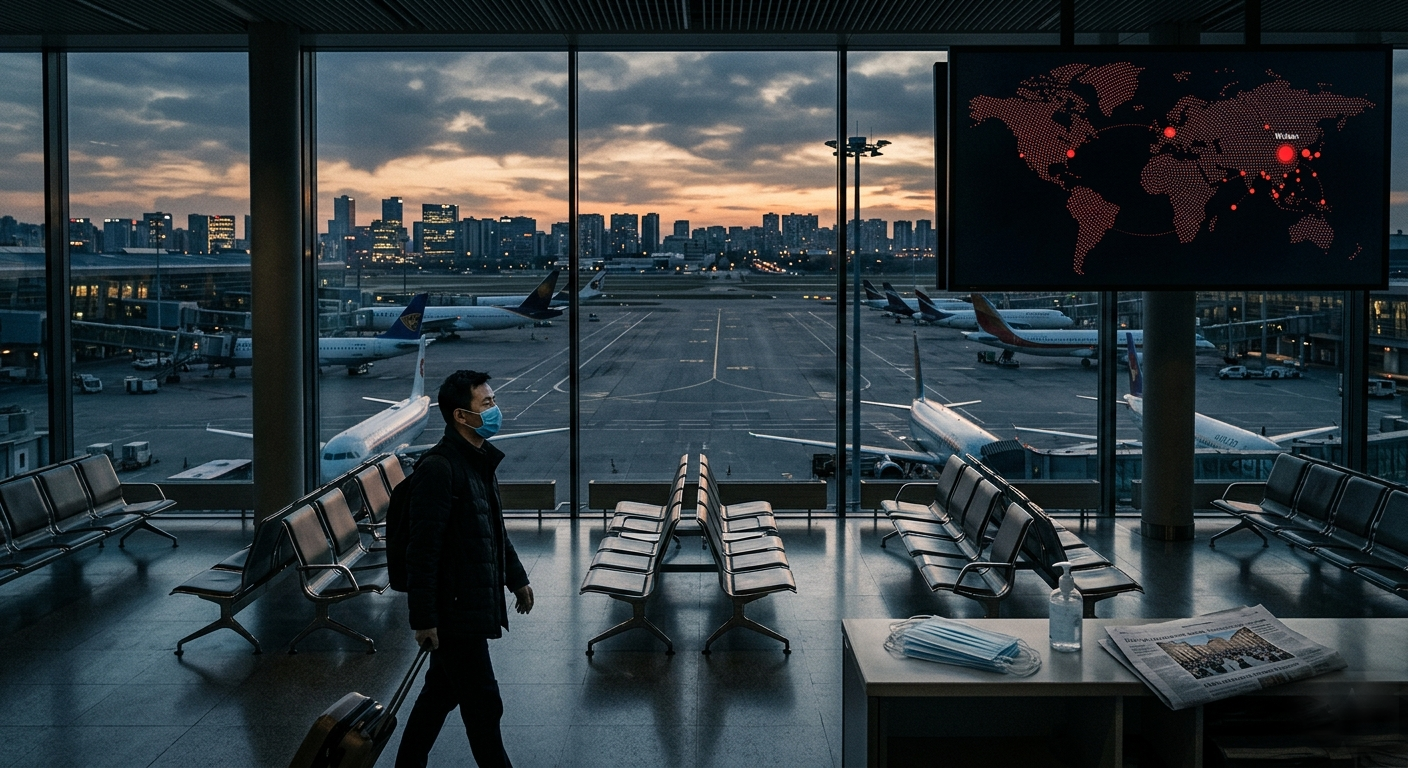
The aviation industry, which had been one of the fastest-growing sectors of the global economy in the preceding decade, essentially ceased to function as an international carrier of passengers. International tourist arrivals fell by approximately 87 percent globally in some destinations. The collapse of tourism devastated economies in the Caribbean, Southeast Asia, and Southern Europe that were heavily dependent on visitor revenues. In Pakistan, poverty levels rose sharply as an estimated 1.1 trillion Pakistani rupees in economic losses rippled through the informal economy. GDP fell in virtually every major economy in 2020: the United States by approximately 3.5 percent, Germany by 4.9 percent, France by 8 percent, Italy and Spain by more than 9 percent each, and the United Kingdom by approximately 10 percent — the country’s worst economic performance in three centuries. China, which recovered first from its initial outbreak, was among the very few major economies to record positive GDP growth in 2020.
Governments responded with fiscal interventions of historically unprecedented scale. The United States Congress passed the Coronavirus Aid, Relief, and Economic Security Act — the CARES Act — on March 27, 2020, authorising approximately 2.2 trillion dollars in economic relief, at the time the largest economic rescue package in American history. It was followed by additional rounds of relief legislation totalling trillions more. The European Union activated its emergency support mechanisms and subsequently agreed to a 750 billion euro recovery fund — the first time in the bloc’s history that the EU collectively borrowed money at this scale. The Bank of Japan offered 15 trillion yen to the banking system in March 2020 to stabilise financial markets. Central banks worldwide cut interest rates to near-zero levels and launched massive bond-purchasing programmes to prevent a financial crisis from compounding the economic shock of the pandemic. Despite these interventions, hundreds of millions of people worldwide fell into poverty, food insecurity, or both as a direct result of the pandemic and its economic consequences.
The Race for a Vaccine: mRNA Technology, Operation Warp Speed, and the December 2020 Authorisations
The development of safe and effective vaccines against SARS-CoV-2 was the defining scientific achievement of the COVID-19 pandemic and remains one of the most remarkable feats of applied biomedical research in history. Vaccines that traditionally required five to ten years or more of development were designed, clinically tested in tens of thousands of participants, manufactured at scale, authorised by regulatory agencies, and deployed in the general public in less than twelve months. The speed was made possible by several converging factors: the prior scientific work on coronavirus vaccines and mRNA technology that had been underway for years before the pandemic; the simultaneous rather than sequential execution of clinical trial phases; the massive financial investment from governments and private investors that eliminated the risk of financial loss as a barrier to accelerated development; and the urgency of a global health emergency that focused enormous human talent and resources on a single problem.
The messenger RNA vaccine platform, which had been in development for more than a decade at companies including Moderna and BioNTech and at academic research institutions, proved uniquely suited to rapid pandemic response. Unlike traditional vaccines that require the production of inactivated or attenuated virus, mRNA vaccines work by delivering genetic instructions to the body’s own cells, directing them to produce a specific viral protein — in this case, the SARS-CoV-2 spike protein — that the immune system then recognises and develops antibodies against. The mRNA itself degrades within days, leaving no permanent genetic material in the body. Because the instructions can be designed in a laboratory as soon as the viral genome is known, and because mRNA can be manufactured rapidly and at scale using cell-free production processes, the platform dramatically compressed the development timeline.
Moderna, working in partnership with the National Institute of Allergy and Infectious Diseases, finalised the sequence of its vaccine candidate — mRNA-1273 — within two days of the virus’s genome being made public on January 10, 2020. The first human was injected in Moderna’s Phase 1 clinical trial on March 16, 2020 — just 63 days after the viral genome was sequenced. The Pfizer-BioNTech collaboration, built on years of mRNA research by BioNTech founders Dr. Ugur Sahin and Dr. Özlem Türeci, was designated BNT162b2 and advanced through clinical trials in parallel. Phase 3 clinical trials for both vaccines enrolled tens of thousands of participants and were conducted across multiple countries and demographic groups to ensure broad representativeness.
On December 11, 2020, the US Food and Drug Administration issued an Emergency Use Authorisation for the Pfizer-BioNTech COVID-19 vaccine, making it the first COVID-19 vaccine authorised for use in the United States. The FDA authorised the Moderna vaccine one week later, on December 18. The United Kingdom’s Medicines and Healthcare products Regulatory Agency had been the first regulatory authority in the world to authorise the Pfizer-BioNTech vaccine, doing so on December 2, 2020. The first COVID-19 vaccine administered outside of a clinical trial setting was given in the United Kingdom on December 8, 2020 — to 90-year-old Margaret Keenan, who became the first person in the world to receive an approved COVID-19 vaccine. The rollout began initially with healthcare workers, care home residents, and the elderly, then progressively expanded through the population. In the United States, the vaccination programme was administered under Operation Warp Speed, a public-private partnership launched by the Trump administration in May 2020 with the goal of accelerating vaccine development and procurement, co-led by pharmaceutical executive Moncef Slaoui and Army General Gustave Perna.
Research published in The Lancet Infectious Diseases in 2022 estimated that in the first year of global COVID-19 vaccination — from December 8, 2020 to December 8, 2021 — vaccinations prevented approximately 14.4 million deaths worldwide based on official reported COVID-19 deaths. When excess mortality was used as a more comprehensive estimate of the true pandemic death toll, the same research estimated that vaccinations averted approximately 19.8 million deaths, representing a 63 percent global reduction in deaths over that period. The vaccines provided against pre-Omicron variants approximately 87 percent protection against hospitalisation and death after a two-dose primary course.
Variants of Concern: Alpha, Delta, Omicron, and the Virus’s Relentless Evolution
One of the defining challenges of the COVID-19 pandemic was the continuous evolution of the SARS-CoV-2 virus, which produced a succession of variants with altered properties that repeatedly complicated the global response. RNA viruses mutate with every replication cycle, and in a population of hundreds of millions of infected people transmitting the virus across the world, the probability of generating mutations that enhanced transmissibility, pathogenicity, or immune evasion was always high. The WHO designated variants as Variants of Concern — indicating demonstrated evidence of increased transmissibility, greater disease severity, or reduced vaccine effectiveness — or as Variants of Interest, using the Greek alphabet to name them in a system designed to avoid the stigmatising use of geographic names.
The Alpha variant, formally designated B.1.1.7, was first identified in September 2020 in Kent, England, and by the winter of 2020 to 2021 had become the dominant strain in the United Kingdom and across much of Europe. Alpha was estimated to be approximately 50 to 70 percent more transmissible than the original Wuhan strain. The Beta variant, B.1.351, first identified in South Africa in late 2020, showed significant immune evasion properties that reduced the effectiveness of some vaccine types against symptomatic infection. The Gamma variant, P.1, emerged in Manaus, Brazil, and was associated with a devastating resurgence of COVID-19 in a city that had been thought to have achieved significant population immunity from its early severe outbreak.
The Delta variant, formally B.1.617.2, first identified in India in late 2020, proved to be by far the most consequential variant before Omicron. Delta was estimated to be approximately 80 to 90 percent more transmissible than the original Wuhan strain — roughly twice as contagious as Alpha — and it rapidly became the globally dominant variant by mid-2021, displacing earlier strains. Delta drove devastating waves of COVID-19 across India in April and May 2021, causing a catastrophic collapse of healthcare systems in multiple Indian states, with hospitals running out of oxygen and crematoriums overwhelmed. Studies showed that while two doses of the mRNA vaccines retained high effectiveness against severe disease and hospitalisation from Delta, effectiveness against symptomatic infection was somewhat lower, and the variant drove significant numbers of breakthrough infections in vaccinated individuals, prompting the widespread adoption of booster doses. Delta remained the dominant global variant until late November 2021.
The Omicron variant, formally B.1.1.529, was first identified in Botswana and South Africa in late November 2021 and was notified to the WHO on November 24. The WHO designated it a Variant of Concern just two days later, on November 26, 2021 — the fastest such designation in the pandemic. Omicron spread with extraordinary speed: by December 2021 it was causing daily case counts in the United States to exceed one million, the highest daily case numbers of the entire pandemic. Omicron carried a large number of mutations in its spike protein, significantly impairing the neutralising capacity of antibodies generated by earlier vaccines and by prior infection with other variants. Two doses of the original mRNA vaccines provided minimal protection against symptomatic Omicron infection, though booster doses substantially restored protection against severe disease. Omicron caused generally less severe illness on average than Delta — though its sheer infectious scale still resulted in enormous numbers of hospitalisations and deaths — and over subsequent months spawned a series of subvariants, including BA.2, BA.4, BA.5, XBB, and eventually JN.1 and KP.2, that continued to circulate globally as the pandemic transitioned to an endemic phase.
Long COVID and the Lasting Health Burden: The Pandemic’s Most Underrecognised Consequence
Among the most significant and, in the early months of the pandemic, most underappreciated consequences of COVID-19 was the phenomenon that came to be known as Long COVID — a condition characterised by persistent symptoms lasting weeks, months, or years after the acute infection had resolved, affecting even those who had experienced only mild initial illness. Defined by various health authorities as symptoms persisting beyond four or twelve weeks from initial infection, Long COVID encompasses a remarkably heterogeneous collection of symptoms, the most commonly reported being fatigue, cognitive dysfunction often described as brain fog, breathlessness, chest pain, headaches, palpitations, post-exertional malaise, and anxiety or depression.
The scale of Long COVID’s burden on global health is difficult to assess precisely because it is a complex, heterogeneous condition without a definitive biological marker or diagnostic test, but the evidence accumulated over successive years suggests that it affects a substantial proportion of people who have been infected with SARS-CoV-2. In the United Kingdom, the Office for National Statistics estimated in 2022 that approximately 1.9 million people, or about 3 percent of the population, were experiencing self-reported Long COVID symptoms at that point. In the United States, surveys conducted by the Census Bureau and the CDC found that tens of millions of Americans reported having experienced Long COVID symptoms at some point, with several million reporting ongoing activity limitations. Research published in The Lancet Respiratory Medicine in 2024 estimated that COVID-19 vaccination received prior to SARS-CoV-2 infection significantly reduced the risk of developing Long COVID, providing an additional public health rationale for vaccination beyond the immediate prevention of severe acute disease.
Inequality, Vaccine Nationalism, and the Unequal Global Pandemic Experience
One of the most morally troubling dimensions of the COVID-19 pandemic was the profound inequality with which its burden was distributed — both within individual countries and between the wealthy and less wealthy nations of the world. Within most countries, the pandemic disproportionately affected racial and ethnic minorities, economically disadvantaged populations, and those in crowded living and working conditions. In the United States, Black, Hispanic, and Indigenous American communities experienced substantially higher rates of COVID-19 infection, hospitalisation, and death than white Americans, reflecting pre-existing disparities in access to healthcare, housing density, rates of employment in essential but high-exposure occupations, and prevalence of underlying health conditions.
At the global level, the inequitable distribution of COVID-19 vaccines emerged as one of the defining injustices of the pandemic. High-income countries, which collectively represent a small fraction of the world’s population, purchased and stockpiled vaccine doses far in excess of what was needed to vaccinate their own populations, while low- and middle-income countries waited months or years for meaningful access. The COVAX initiative — led by the WHO, the Global Alliance for Vaccines and Immunisation (GAVI), and the Coalition for Epidemic Preparedness Innovations (CEPI) — was established to ensure equitable global vaccine distribution, with a target of providing COVID-19 vaccines to at least 20 percent of the population in each participating country by the end of 2021. This target was not met. G7 countries failed to deliver on their 2021 commitments for vaccine donation to low-income countries, with delivery rates ranging from 31 percent of pledged doses by Japan to as low as 8 percent by Canada. In some low-income countries, vaccine coverage remained below 2 percent for most of 2021.
Public health researchers argued that vaccine nationalism was not merely a moral failure but a strategic one, since low vaccination coverage globally created the conditions for the continued viral evolution that produced variants of concern. The emergence and rapid global spread of Delta and Omicron — both of which arose in regions with limited early vaccine access — illustrated this dynamic with painful clarity. Epidemiologists and global health advocates argued forcefully that no country was safe until every country was safe, and that the inequitable vaccine distribution of 2021 likely prolonged the pandemic and produced avoidable deaths far beyond the countries where the variants originated.
The End of the Global Emergency and the Transition to Endemicity: May 2023 and Beyond
On May 5, 2023, more than three years after the WHO had declared COVID-19 a Public Health Emergency of International Concern, Dr. Tedros Adhanom Ghebreyesus accepted the recommendation of the WHO’s Emergency Committee and announced that COVID-19 no longer met the criteria for a PHEIC. The global public health emergency that had defined nearly every dimension of human life since early 2020 was formally declared to have ended. This did not mean, as Tedros carefully explained, that COVID-19 was over or no longer a threat. The disease continued to circulate, cause illness and death, and produce new variants. It meant, rather, that the acute phase of the global emergency — characterised by overwhelming healthcare systems, mass death, economic collapse, and the urgent scramble for vaccines and treatments — had given way to a more sustainable, if still significant, endemic disease burden.
By the time the PHEIC was lifted, the COVID-19 pandemic had killed an officially reported total of approximately 7 million people worldwide according to WHO records, though researchers and excess mortality analysts estimated the true death toll — accounting for under-reporting of COVID-19 deaths and excess deaths attributable to the pandemic’s disruption of healthcare systems — to be significantly higher, with estimates ranging from 15 million to as many as 20 million or more excess deaths globally during the pandemic period. WHO estimates had suggested that at least 3 million people had been killed by COVID-19 in the year 2020 alone, before vaccines were widely deployed. A modelling study from The Lancet Infectious Diseases estimated excess deaths of approximately 31.4 million during the pandemic’s first year of vaccination, with vaccination averting approximately 19.8 million of those deaths.
By mid-2023, most countries had lifted their formal COVID-19 emergency measures, vaccine mandates, mask requirements, and testing programmes, though these policies varied enormously by country and continued to be debated. The virus continued to evolve, with the Omicron-descended JN.1 variant becoming globally dominant in late 2023 and early 2024. Seasonal COVID-19 vaccination campaigns, updated annually to target circulating variants, became part of the standard public health calendar alongside influenza vaccination. The US FDA authorised annually updated COVID-19 vaccines for the 2024 to 2025 season targeting the KP.2 subvariant. Surveillance systems established during the pandemic continued to monitor SARS-CoV-2 evolution, with the WHO maintaining global coordination of variant tracking.
The Legacy of the COVID-19 Pandemic: What the World Learned and What Must Never Be Forgotten
The COVID-19 pandemic will stand as one of the defining events of the twenty-first century — a global catastrophe that, in the space of a few years, killed millions, impoverished hundreds of millions more, disrupted the education of a generation of children, accelerated existing social and economic inequalities, and exposed deep fractures in the systems that humanity had constructed to protect itself from exactly this kind of threat. Its legacies are multiple, contested, and still unfolding.
For science and medicine, the pandemic produced remarkable achievements alongside sobering lessons. The development of mRNA vaccines in less than a year represented a genuine scientific revolution with implications that extend far beyond COVID-19, opening the possibility of rapid vaccine development against future pathogens and advancing research into mRNA-based treatments for cancer and other diseases. The pandemic also exposed the fragility of global supply chains for essential medical equipment, the inadequacy of international mechanisms for early outbreak detection and response, and the political vulnerabilities of science communication in an era of social media and endemic distrust of institutions.
The story of Dr. Li Wenliang, silenced by police for warning his colleagues about a new SARS-like virus in December 2019 and dead by February 2020, encapsulates a broader lesson about the relationship between transparency, political authority, and public health. The costs of suppressing early warning signals — in lives, in economic damage, in the erosion of public trust in governments and health institutions — were incalculable. The international community’s ability to respond effectively to future pandemics will depend, in large part, on whether the political conditions that delayed the early warning signals in Wuhan can be reformed, and whether the International Health Regulations can be strengthened to ensure faster, more transparent, and more enforceable early outbreak disclosure.
For those who lived through the pandemic, the experience left imprints that will endure for generations. The collective grief of millions of families who lost loved ones, often unable to visit them in their final hours or to gather in person to mourn. The psychological toll of isolation, particularly on children and young people whose social development was disrupted during critical years. The extraordinary courage of healthcare workers who cared for the sick in conditions of personal danger and emotional exhaustion, many of them dying in the course of that care. And the astonishing resilience of human communities that found ways to maintain connection, solidarity, and meaning even in the most isolating circumstances the modern world had ever imposed.
When Dr. Tedros Adhanom Ghebreyesus spoke the words COVID-19 can be characterized as a pandemic on the afternoon of March 11, 2020, he named something that was already transforming the world. The pandemic did not begin on that day. But the formal acknowledgment of its global character set in motion the full weight of international institutional response and marked the moment when humanity was formally confronted with the scale of what it faced. Understanding that moment — its origins, its actors, its causes and consequences — is not merely an exercise in historical documentation. It is an act of preparation for the inevitable next time.